


 Friday,Jun 06, 2025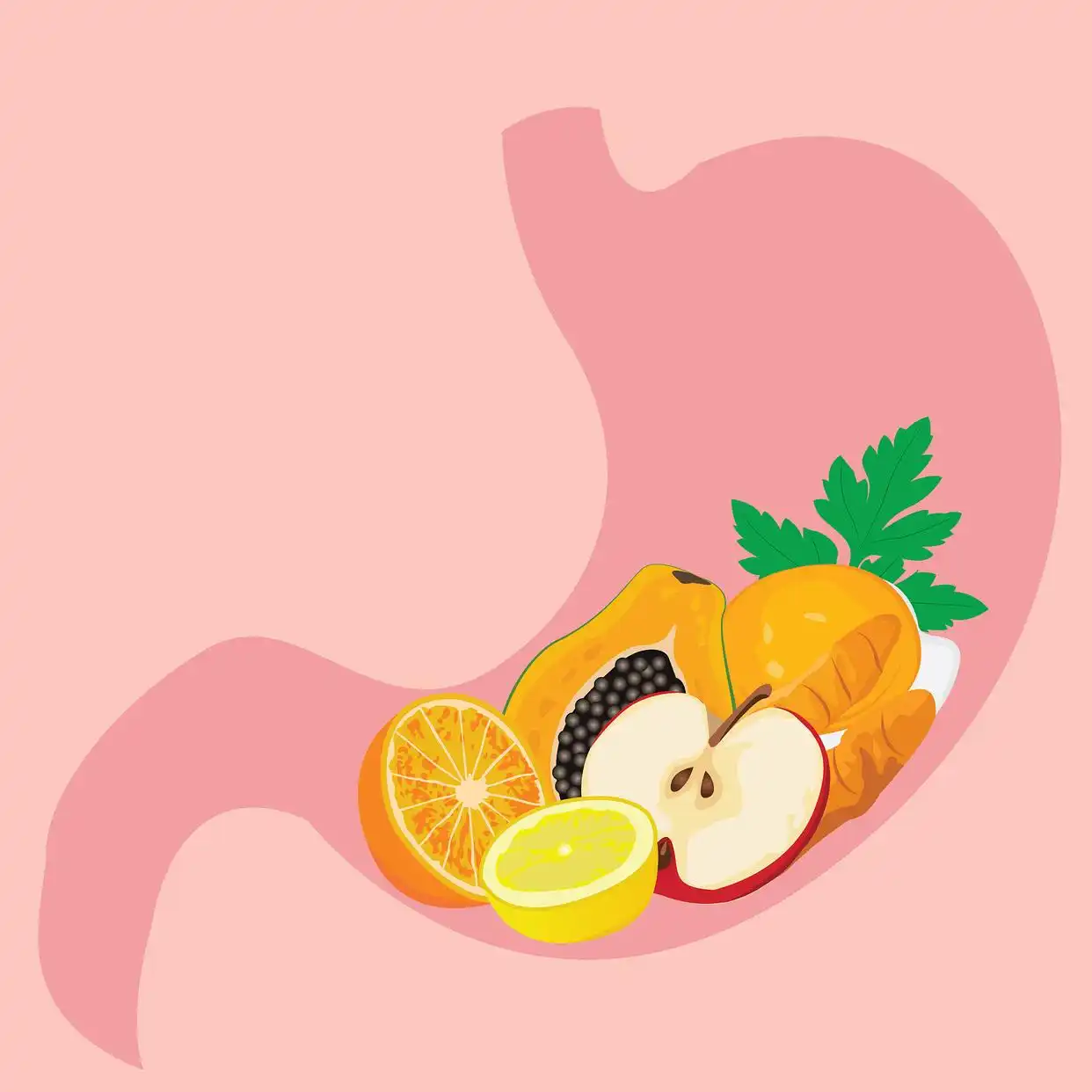
What physiological mechanism does the human body rely on to avoid self-digestion of stomach and intestine protein?
Today, let's talk about the relationship between enzymes and digestion from a professional perspective. This article will focus on why the stomach or intestine digests food but not itself.
1. The pH value of gastric juice is 0.9-1.5, which is very acidic.
So, why doesn't gastric juice corrode the stomach?
The main digestive enzyme in gastric juice is pepsinogen. It is a zymogen produced by gastric parietal cells and converted into active pepsin under the action of gastric acid.Pepsin is mainly responsible for breaking down proteins and breaking them down into smaller peptides.
When we eat, pepsin starts to work. It combines with gastric acid to form an acidic environment, which is conducive to the activity of pepsin.
The stomach initially hydrolyzes food protein macromolecules into smaller short peptides, which are further digested and hydrolyzed into smaller peptides and amino acids in the small intestine for human absorption and utilization.
This is because the stomach has a barrier function that can protect itself from various injuries. Gastric barrier function refers to the local or systemic protective response of the gastric mucosa caused by various damaging factors. This function is not only manifested in the defense against various damaging factors, but also in self-repair after damage. The defense mechanisms at all levels coordinate with each other to protect the stomach from damage.
Gastric mucus-bicarbonate barrier
It is the first line of defense for gastric mucosa protection, resisting the invasion of gastric acid and pepsin.
The wonder of the gastric mucus-bicarbonate barrier is that it uses a physical barrier as a carrier and has the function of annihilating gastric acid and pepsin as a chemical barrier.
The mucous cells of the stomach can produce a large amount of mucus, covering the surface of the gastric cavity cells to form a mucus film about 0.5 mm thick. This layer of mucus and the HCO3- secreted by the surface epithelial cells of the gastric mucosa together form a protective barrier, called the mucus-bicarbonate barrier.
The main component of gastric acid is hydrochloric acid (HCl), which is composed of hydrogen ions and chloride ions. If a large amount of hydrogen ions enter the gastric mucosa, it will cause the pH value of the gastric mucosa to drop, causing mucosal damage.
The function of the mucus-bicarbonate barrier is that when the hydrogen ions in the gastric cavity diffuse to the gastric mucosa, the alkaline bicarbonate ions gradually meet with the gastric acid hydrogen ions that penetrate from the gastric cavity, and a neutralization reaction occurs to generate carbon dioxide and water.
As gastric acid is gradually neutralized, a "pH difference" appears on both sides of this 0.5mm thick gastric mucus barrier: the side in contact with food is acidic, which is conducive to pepsin digesting protein in food; while the pH value of the side close to gastric tissue cells is neutral or weakly alkaline, which is not conducive to pepsin digesting the tissue protein of the stomach itself.
Finally, the mucus layer on one side of the gastric cell surface completely annihilates the hydrogen ions of gastric acid, and the pH value is close to 7. At this time, pepsin undergoes irreversible denaturation due to being in an environment with a pH greater than 5, completely loses its activity, and no longer has the activity and ability to digest protein.
2. Food protein moves from the stomach down into the small intestine and begins to be further digested.
In contrast to the acidic environment in the stomach, the small intestine has a large amount of alkaline body fluids such as bile, pancreatic juice, and small intestinal juice, so the overall environment in the small intestine is alkaline.
Pepsin digests food protein, preliminarily digests and shears the large molecules of food protein into smaller short peptides, and the main product is peptone.
Peptone needs to be further digested and hydrolyzed into amino acids in the small intestine before it can be absorbed and utilized by the human body.
This process is mainly completed by pancreatin and chymotrypsin produced and secreted into the small intestine by the pancreas.
Pancreatin is an endopeptidase that mainly digests matrix proteins outside the cell.
General concentrations will not digest cell (membrane) proteins.
The surface of each intestinal epithelial cell has extremely small and numerous villi and microvilli. The tissue structure and protein structure are very special, equivalent to a special membrane that can effectively isolate trypsin.
Gastric and intestinal epithelial cells are renewed quickly, every three days.
Damaged intestinal cells are then eliminated and renewed. Therefore, human intestinal tissue will not be digested and hydrolyzed by trypsin.
The human gastrointestinal tract digests various exogenous food proteins without any danger to itself, demonstrating the beauty of physiology. The balance and ingenuity of the human physiological mechanism are really amazing.