Saturday,Oct 04, 2025
1. Nutritional Additives
Nutritional additives are primarily used to meet the nutritional needs of pets, balance nutritional components, and directly provide nutritional benefits. Common nutritional additives include:
1.1 Amino Acid Additives: Amino acids are the building blocks of protein and are used to improve protein utilization in pet food. Commonly used amino acids include methionine, arginine, lysine, and taurine (particularly in cat food).
1.2 Vitamin Additives: Vitamins are essential micronutrients for pets and are crucial for maintaining normal physiological functions. Common vitamin additives include vitamins A, D3, E, K, B complex vitamins (such as B1, B2, B3, B5, B6, B7, B9, and B12), and choline chloride.
1.3 Trace Element Additives: Trace elements such as iron, copper, zinc, iodine, and selenium play an important role in your pet's normal physiological functions and metabolism. Commonly used trace element additives include potassium chloride, iron sulfate, copper sulfate, zinc sulfate, potassium iodide, and sodium selenite.
1.4 Enzyme Preparations: Enzyme preparations can improve your pet's digestive capacity and digestibility, converting and eliminating anti-nutritional factors in feed. Commonly used enzymes include pepsin, pancreatin (protease, amylase, lipase), and cellulase.
1.5 Probiotics: Probiotics are live bacteria that regulate your pet's gastrointestinal tract. They include probiotics, prebiotics, and synbiotics. They help maintain a balanced intestinal flora, promote digestion and absorption, and enhance immunity.
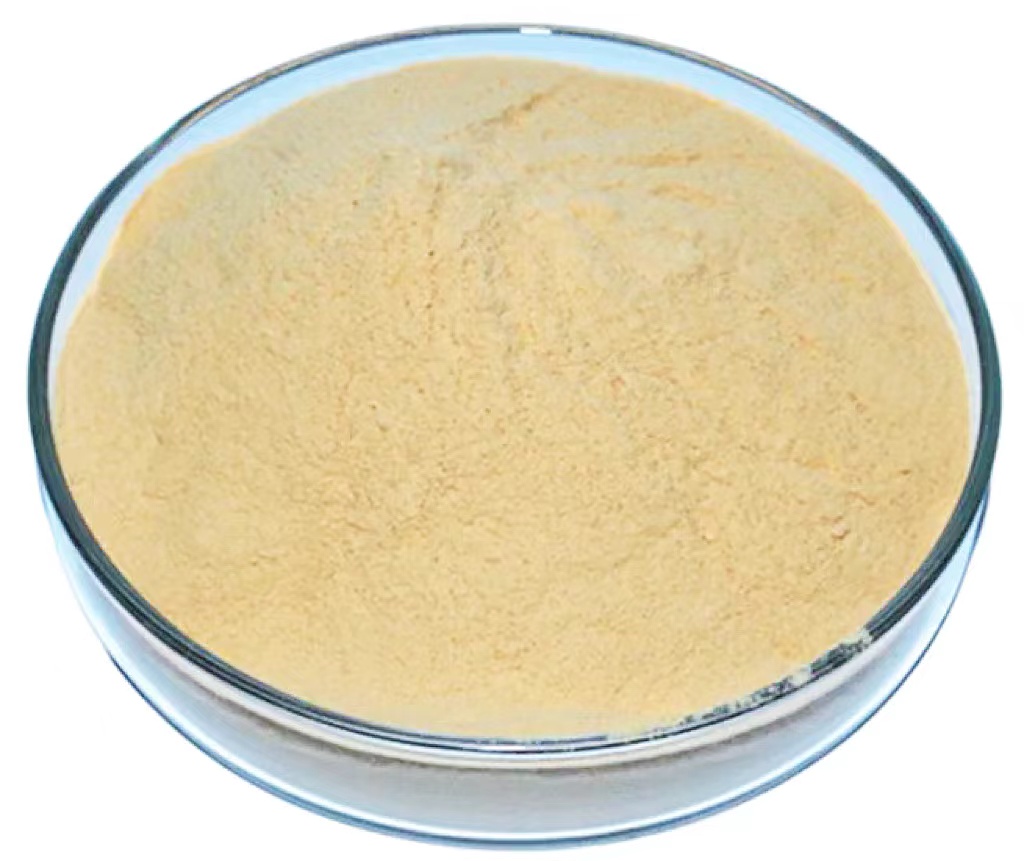
There's a product called bovine bone marrow powder which is rich in protein, fat, vitamins, and various minerals, such as calcium, phosphorus, and iron. These nutrients are essential for normal human life. They can also enhance immunity, promote bone health, and maintain bone strength and density.
II. Non-nutritional Additives
Non-nutritional additives are primarily used to improve the physical properties of pet food, maintain product quality, increase utilization, and support pet health and metabolism. Common non-nutritional additives include:
2.1 Processing additives: Such as antifungal agents, antioxidants, and emulsifiers, used to improve pet food processing performance and extend shelf life.
2.2 Sensory additives: Such as colorants and flavorings, used to improve the sensory and visual characteristics of pet food and increase pet appetite.
2.3 Functional additives: Functional additives can improve pets' growth performance or improve their environment. For example, probiotics such as Bacillus coagulans and Bifidobacterium animalis can improve the intestinal microecological environment; natural antioxidants such as tea polyphenols and rosemary extract can extend food shelf life; and yucca extract can regulate the intestinal environment and reduce ammonia emissions.
2.4 Other additives: Such as glucosamine and chondroitin sulfate, used to protect pets' joint health; used to promote the fermentation of beneficial bacteria in the intestine and maintain intestinal health. III. Precautions
Although additives play an important role in pet food, the following points should be observed when using them:
3.1 Use in Moderation: The toxicity of any additive cannot be determined without considering the dosage. Additives should be used in accordance with national food safety standards to ensure that the dosage is within the safe range.
3.2 Choose Natural Additives: Choose natural, harmless additives whenever possible and avoid harmful chemically synthesized additives.
3.3 Monitor Pet Reactions: Observe your pet's reactions after consuming foods containing additives. If any discomfort is detected, discontinue use immediately and consult a veterinarian.