The most important two digestive enzymes in human body
Thursday,Jun 05, 2025
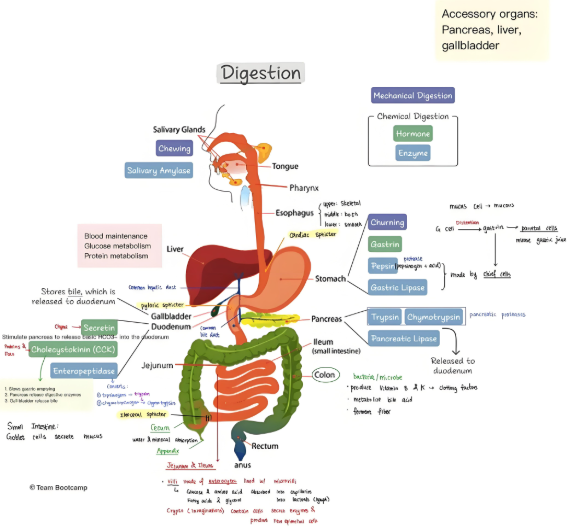
The human body generally has more than 2,000 enzymes, which are distributed in different parts of the body. Enzymes are generally produced by living cells, have high specificity, and are essentially a kind of protein. There are more than 700 enzymes, which are distributed in the human mouth, liver, gastrointestinal tract and skin. Among them, digestive enzymes are substances contained in a digestive fluid secreted by the human digestive organs, and they also exist in saliva and pancreas, which can digest and absorb protein and fat in food.
The most important digestive enzyme in the human body is pancreatin. Pancreatin is secreted by the pancreas and mainly activated in the small intestine. It is a key enzyme for breaking down proteins. Pancreatin not only breaks down proteins into small peptides and amino acids, but also, together with other digestive enzymes such as pancreatic lipase and pancreatic amylase, covers the digestion of almost all major nutrients (protein, carbohydrates, fats).
Mechanism of action of pancreatin
Pancreatin breaks down proteins into small peptides and amino acids by hydrolyzing peptide bonds. This process is essential for the digestion and absorption of proteins. After being activated in the small intestine, pancreatin works with other digestive enzymes to ensure that proteins, carbohydrates and fats in food are effectively broken down and absorbed.
The second most important digestive enzyme is pepsin, which is a digestive enzyme secreted by the chief cells of the gastric mucosa and plays an important role in the human digestive process.
1. Decompose protein; 2. Promote food digestion; 3. Activate other digestive enzymes; 4. Regulate gastrointestinal microbial flora; 5. Decompose pathogens that enter the gastrointestinal tract during digestion, such as bacteria, viruses, etc.


 Thursday,Jun 05, 2025